

Emergency Denture Fix: What to Do When Your Dentures Break Suddenly
Acting quickly and correctly is essential. The steps you take immediately after damage can influence whether your dentures can be repaired or if a full replacement becomes necessary. Many people make the mistake of trying quick DIY fixes, which often cause more harm than good.
Understanding your options and knowing how to respond can save time, money, and discomfort. If you ever find yourself needing an emergency denture fix, having a clear plan in place will help you stay calm and make the right decisions.
Common Causes of Sudden Denture Damage
Dentures can break for a variety of reasons, and not all of them are obvious. While accidents are a common cause, underlying issues often contribute to structural weakness over time.
Wear and tear is one of the most frequent culprits. Daily use gradually weakens the material, especially if dentures are several years old. Small fractures can develop and go unnoticed until a larger break occurs.
Dropping dentures is another leading cause. Because they are typically made from acrylic or similar materials, they can crack or snap if they hit a hard surface like a bathroom sink or tiled floor.
Changes in your mouth can also play a role. As gums and bone structure shift over time, dentures may no longer fit properly. This uneven pressure can create stress points, eventually leading to fractures.
Immediate Steps to Take After Dentures Break
When your dentures break, your first reaction matters. Avoid rushing into temporary solutions that could worsen the damage.
Follow these steps instead:
- Carefully collect all broken pieces and store them in a clean, dry container. Even small fragments can be important for repair.
- Rinse the dentures gently with lukewarm water to remove debris, but avoid scrubbing or using harsh chemicals.
- Remove the dentures from your mouth if they are still partially intact to prevent injury or further breakage.
- Contact a dental professional or denture repair lab as soon as possible to assess the damage.
- Avoid wearing damaged dentures, as this can irritate your gums or cause additional structural damage.
Taking these precautions increases the chances of a successful repair and reduces the risk of complications.
Why DIY Repairs Can Make Things Worse
It may be tempting to use household adhesives or over-the-counter repair kits, especially when you need a quick solution. However, these methods often create more problems than they solve.
Most adhesives are not designed for oral use and can contain harmful chemicals. They may also fail to bond properly with denture materials, leading to weak joints that break again under pressure.
DIY repairs can also alter the alignment of your dentures. Even a slight shift can affect your bite, causing discomfort, difficulty eating, and long-term oral issues.
In many cases, attempting a home repair makes professional restoration more difficult or even impossible. What could have been a simple fix may turn into a full replacement.
Professional Repair Options You Can Expect
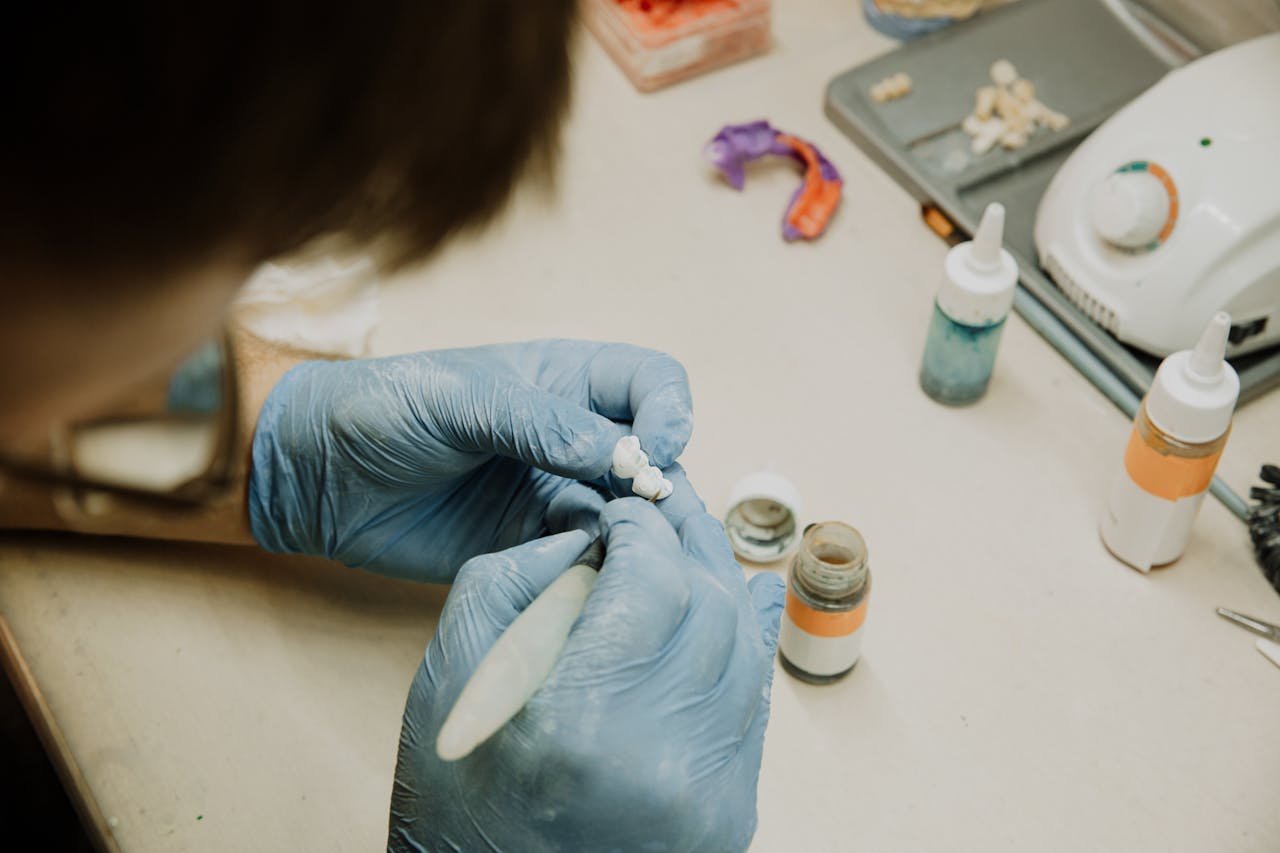
A professional denture repair service will assess the extent of the damage and recommend the most appropriate solution. Depending on the issue, repairs can often be completed quickly.
Here are some common professional repair options:
- Crack repairs using specialised dental-grade materials that restore strength and appearance.
- Reattachment of broken pieces with precise alignment to ensure a comfortable fit.
- Reinforcement of weak areas to prevent future damage.
- Relining or rebasing if the fit has been compromised due to changes in your gums.
- Replacement of missing or damaged teeth within the denture structure.
Many dental labs offer same-day services for urgent cases, allowing you to return to normal activities with minimal disruption.
How to Manage Without Dentures Temporarily
If your dentures cannot be repaired immediately, you may need to manage without them for a short period. While this can be inconvenient, there are ways to minimise discomfort.
Focus on soft foods that are easy to chew, such as soups, mashed vegetables, yoghurt, and scrambled eggs. Avoid hard, sticky, or crunchy foods that could strain your gums.
Maintain good oral hygiene by gently cleaning your gums and any remaining teeth. This helps prevent irritation and keeps your mouth healthy while you wait for repairs.
If you feel self-conscious, plan your schedule to reduce social or professional interactions until your dentures are fixed. This can help you feel more at ease during the temporary adjustment.
Preventing Future Denture Emergencies
While not all accidents can be avoided, there are practical steps you can take to reduce the risk of sudden damage.
- Always handle dentures over a soft surface, such as a folded towel or a basin filled with water.
- Clean them regularly using recommended products to maintain their integrity.
- Store them safely when not in use, away from pets and children.
- Attend regular dental check-ups to ensure proper fit and condition.
Being proactive can extend the lifespan of your dentures and minimise the likelihood of needing urgent repairs.
When to Seek Immediate Professional Help
Not all denture issues can wait. In some cases, immediate attention is necessary to avoid further complications.
Seek professional help if:
- The denture has broken into multiple pieces or cannot be worn at all.
- You experience pain, swelling, or irritation in your gums.
- The denture no longer fits securely and moves excessively.
- A metal component or clasp has been damaged.
- There are sharp edges that could injure your mouth.
Addressing these issues quickly ensures your oral health is protected and prevents minor problems from escalating.
Staying Prepared for Unexpected Denture Issues
Unexpected denture damage can disrupt your daily routine, but being prepared makes a significant difference. Knowing who to contact, understanding your repair options, and avoiding risky quick fixes will help you handle the situation with confidence.
Having a trusted dental professional or lab on hand is invaluable. It ensures that when problems arise, you can access reliable care without delay. Planning ahead may not prevent every issue, but it does give you control over how you respond.
A well-informed approach to an emergency denture fix allows you to protect both your dentures and your overall oral health, ensuring you can get back to normal life as quickly as possible.